
Circular Economy in Action: Companies Profiting from Zero-Waste Models
The Circular Economy shifts businesses from a "Take-Make-Dispose" model to a regenerative one that prioritizes resource efficiency and product longevity. Through models like Product as a Service (PaaS) and resource recovery, companies are discovering that keeping materials in a continuous loop reduces costs and builds brand loyalty. Ultimately, a zero-waste approach isn't just about environmental stewardship—it's about long-term financial resilience.
For over a century, the global economy has followed a "linear" path: Take-Make-Dispose. We extract raw materials, turn them into products, and throw them away when we’re done. But as resource scarcity increases and environmental regulations tighten, this model is becoming a financial liability.
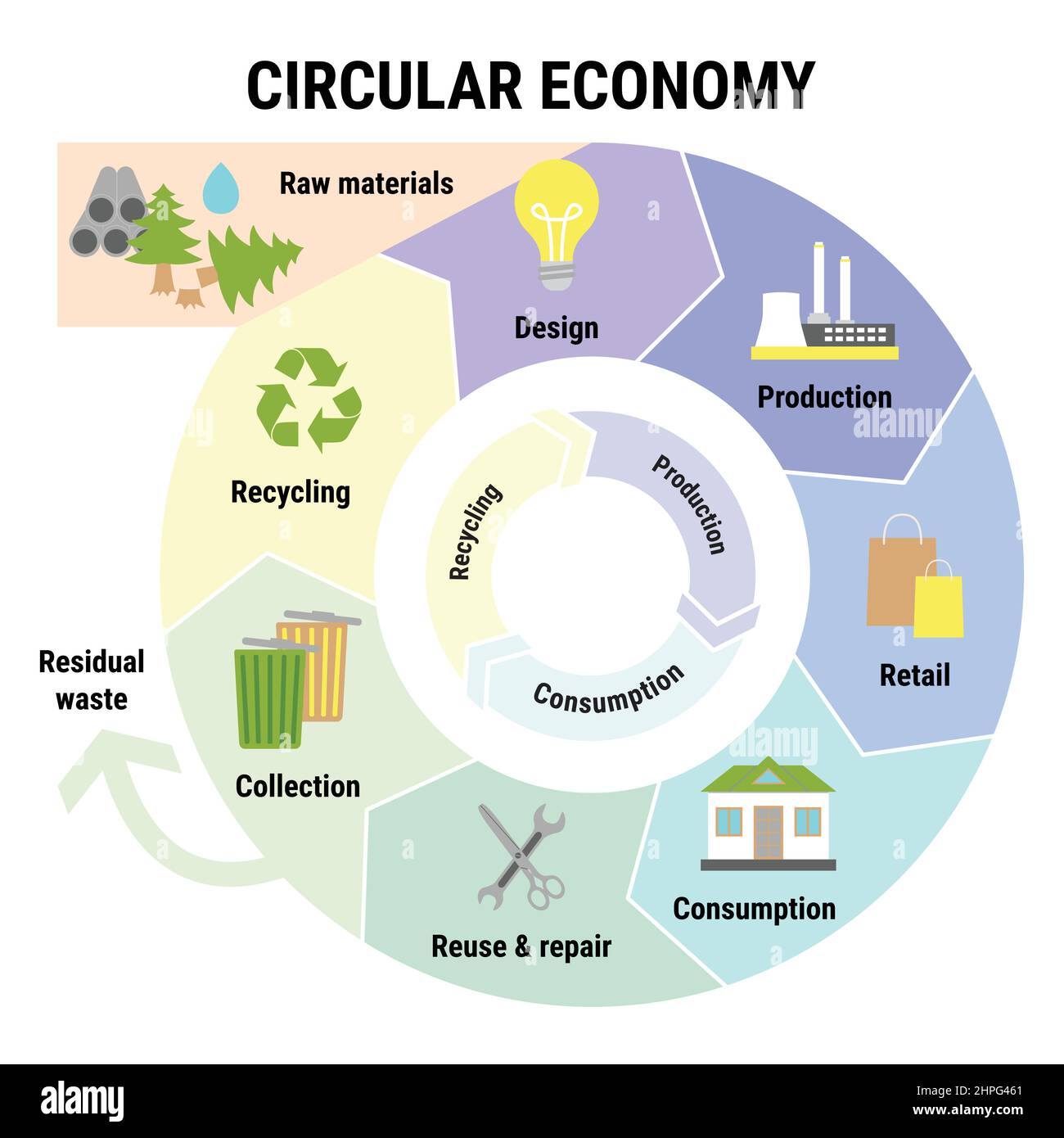
In 2026, the most innovative companies are pivoting to the Circular Economy. This is a regenerative system where waste is designed out of the process, and products and materials are kept in use for as long as possible. The goal isn't just to be "less bad" for the planet—it’s to build a more resilient, profitable business.
The Three Pillars of Circularity
To move toward a zero-waste model, businesses are redesigning their operations around three core principles:
Design Out Waste: Creating products that are durable, modular, and easy to disassemble.
Keep Materials in Use: Implementing "take-back" schemes where products are refurbished or recycled back into the production line.
Regenerate Natural Systems: Ensuring that any biological materials used can safely return to the earth as nutrients.
Circular Models That Drive Profit
Moving to a circular model isn't just an environmental choice; it’s an economic one. Here are three ways companies are finding profit in "waste":
1. Product as a Service (PaaS)
Instead of selling a product once, companies retain ownership and "rent" the service.
Example: Signify (formerly Philips Lighting) offers "Light as a Service." Customers pay for the light they use, while Signify maintains the hardware. When a bulb dies, Signify collects it, refurbishes it, and recycles the parts. This creates a recurring revenue stream and incentivizes the company to make the most durable products possible.
2. Resource Recovery and Upcycling
One company’s trash is literally another’s treasure.
Example: Adidas has pioneered high-performance footwear made entirely from recycled ocean plastic. By turning a liability (ocean pollution) into a premium raw material, they reduce their reliance on virgin plastics and tap into the growing market of eco-conscious consumers.
3. The Secondary Life Market
Instead of a product reaching its "end of life," companies are building platforms to help it reach its "second life."
Example: Patagonia’s "Worn Wear" program allows customers to trade in used gear for credit. Patagonia then repairs and resells the items. This not only keeps clothes out of landfills but also allows the company to profit from the same item multiple times.
The "Hidden" ROI of Zero-Waste
Beyond direct sales, the circular economy offers significant strategic advantages:
Supply Chain Resilience: By using recycled or refurbished materials, companies are less vulnerable to the price volatility and shortages of raw material markets.
Regulatory Readiness: As governments globally implement "Extended Producer Responsibility" (EPR) laws, circular companies are already compliant, avoiding future fines and taxes.
Brand Loyalty: In a market where 70% of consumers prefer sustainable brands, circularity is a powerful tool for customer acquisition and retention.
Conclusion: Closing the Loop
The circular economy is proof that sustainability and profitability are not at odds. By viewing "waste" as a design flaw rather than an inevitability, businesses can unlock new revenue streams and build a future that is both economically and ecologically sound. In 2026, the companies that "close the loop" will be the ones that lead the market.