
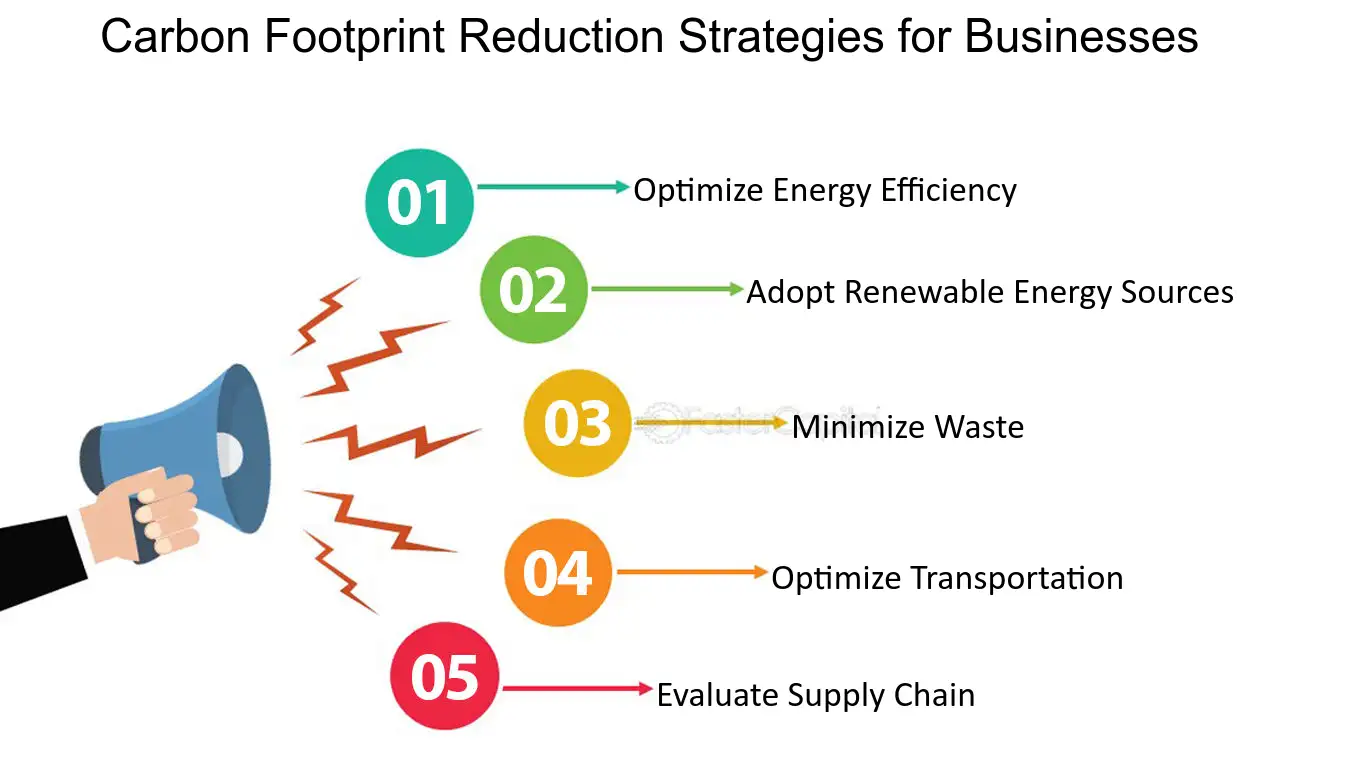
Carbon Footprint Reduction: Practical Steps for Mid-Sized Businesses
Mid-sized businesses can reduce their carbon footprint through a phased approach: measuring Scopes 1-3, optimizing energy efficiency, and transitioning to renewables. Beyond internal operations, optimizing the supply chain and engaging employees in "green" initiatives are essential for long-term success. Reducing emissions is not just an environmental goal; it is a strategy for lowering costs and future-proofing the business.
While multinational corporations often dominate the headlines regarding climate pledges, mid-sized businesses (SMEs) are the backbone of the global economy. For these companies, the pressure to go "green" is no longer just about ethics—it’s about staying competitive in a supply chain where larger partners and consumers are demanding carbon transparency.
In 2026, reducing your carbon footprint isn't an overnight transformation; it’s a series of strategic, measurable steps that improve efficiency and reduce operational costs.
Step 1: Measure Your Baseline (Scope 1, 2, and 3)
You cannot manage what you do not measure. The first step for any mid-sized business is to conduct a carbon audit. This involves categorizing emissions into three "Scopes":
Scope 1 (Direct): Emissions from company-owned vehicles or facilities (e.g., gas boilers).
Scope 2 (Indirect - Energy): Emissions from the electricity, heating, or cooling your business purchases.
Scope 3 (Indirect - Value Chain): Emissions produced by your suppliers and the end-use of your products. This is often the largest and most complex category to tackle.
Step 2: Harvest the "Low-Hanging Fruit" (Energy Efficiency)
For many mid-sized firms, the quickest path to carbon reduction is also the most profitable: Energy Efficiency.
LED Lighting & Smart Sensors: Upgrading lighting systems can reduce electricity usage by up to 75%.
HVAC Optimization: Implementing smart thermostats and ensuring regular maintenance of heating and cooling systems can shave 15-20% off energy bills.
Building Insulation: A one-time investment in better insulation or double-paned windows provides a permanent reduction in Scope 2 emissions.
Step 3: Transition to Renewable Energy
Once you’ve reduced your demand, look at how you source your remaining energy.
Power Purchase Agreements (PPAs): Mid-sized businesses can often enter into contracts to buy energy directly from renewable sources (like wind or solar farms) at a fixed price, providing both carbon savings and protection against energy price spikes.
On-Site Generation: If you own your facility, installing rooftop solar panels can offer a high ROI, with many systems paying for themselves within 5–7 years through energy savings and government tax incentives.
Step 4: Optimize the Supply Chain
Because Scope 3 emissions often represent the bulk of a company’s footprint, you must look beyond your own walls.
Sustainable Procurement: Start incorporating carbon scores into your vendor selection process. Ask your suppliers for their sustainability reports.
Logistics & Nearshoring: As discussed in our Industry series, moving production closer to your customers (nearshoring) significantly reduces the carbon cost of shipping and transportation.
Circular Materials: Switch to packaging that is 100% recyclable or made from post-consumer waste to reduce the footprint of your physical products.
Step 5: Engage and Empower Your Workforce
Sustainability is a team sport. Real change happens when every employee is aligned:
Green Teams: Create an internal committee to identify waste-reduction opportunities that management might miss.
Remote Work Policies: As we saw in our Business series, allowing hybrid work models reduces the carbon footprint associated with daily commuting.
Commuter Incentives: Provide subsidies for public transit or install EV charging stations for employees who drive to work.
Conclusion: The Green Advantage
For a mid-sized business, carbon reduction isn't about grand gestures; it’s about operational excellence. By measuring your impact and systematically reducing waste, you aren't just helping the planet—you are building a leaner, more resilient company that is ready for the low-carbon economy of the future.